Poppy’s Quarterly Labs

Poppy

U.S.M.C. VET
Staff member
VIP
Military Vet
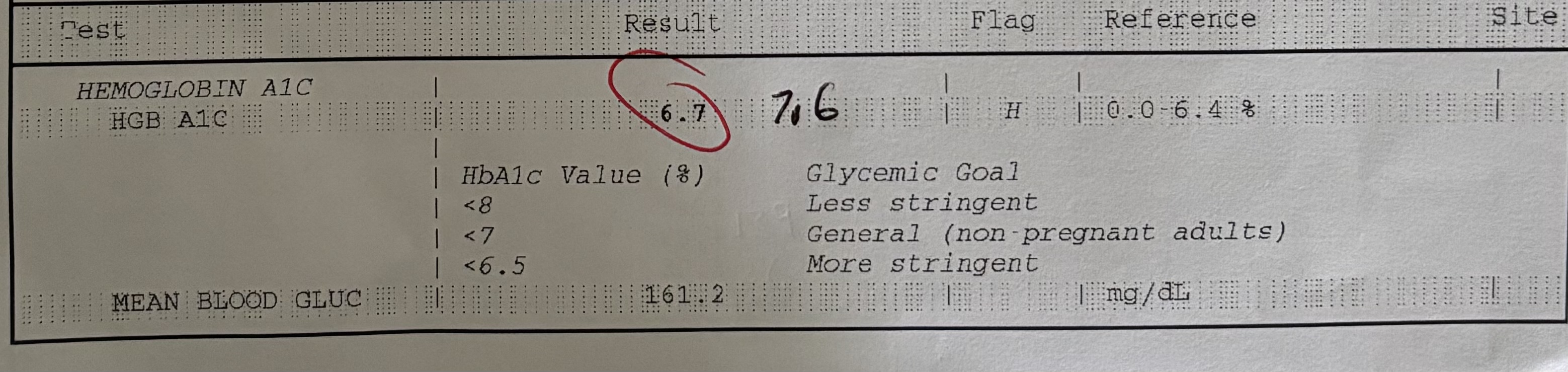
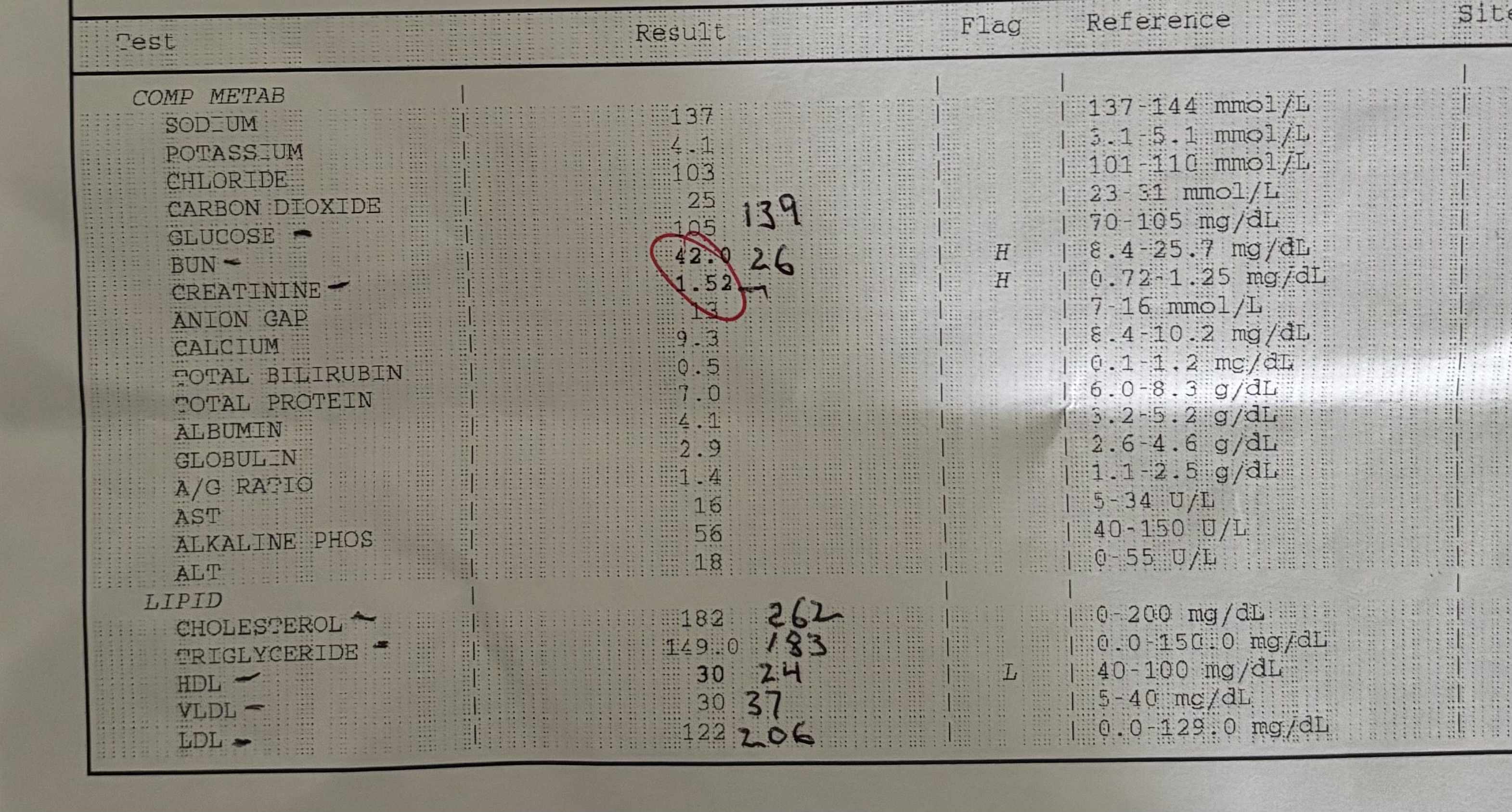
I’m ecstatic. Great labs. My bun was high but everything else is heading in the right direction. Fasted Blood glucose is lowest in forever. A1c dropped almost a full point. Lipids are fantastic.

Handwritten is last labs 3 months ago.

Thanks to @BBSQ5 and @Neuro for their guidance AND more importantly “talking me back from the edge” when im in full on panic mode over this crap.
IMG_0132


IMG_0131
 
Let’s go!!

Have you looked into astragalus? It’s natural supplement that has actually been showing to consistently improve kidney function. I just recently read about it.

Looking very good! Any PED adjustments planned based off these?
 
I have not looked into that.

No adjustments on current sauce…although tbol or any other oral (except for proviron) is most likely off the table forever.
 
I believe 1-4grams daily showed to be both preventative and restorative via eGFR values.
 
Personally, I would stay the course on PED usage.

I would look into Astragalus for kidneys. Taurine, Tudca, and citrus bergamot for lipids. Citrus bergamot has shown to increase HDL’s while Taurine/TUDCA will raise HDL’s and prevent LDL’s from rising.

I just saw an article on the wide reaching effects of taurine that I’ll paste over.
 
NOT MY WORK, JUST SHARING INFO

Taurine, despite not being a neurotransmitter itself, plays important roles in neurotransmission and neuromodulation. It interacts with various neurotransmitter systems and pathways in the brain. Here are some of the key pathways and neurotransmitters that taurine influences:
  1. GABAergic System: Taurine is an agonist at GABA-A receptors, which means it can enhance the inhibitory effects of gamma-aminobutyric acid (GABA), the main inhibitory neurotransmitter in the brain. This interaction can help promote relaxation and reduce anxiety.
  2. Glutamatergic System: Taurine can modulate the activity of glutamate, the main excitatory neurotransmitter in the brain. It can act as a partial agonist at NMDA receptors and inhibit the release of glutamate, which may help protect against excitotoxicity.
  3. Calcium Signaling: Taurine can regulate intracellular calcium levels, which is important for various cellular processes, including neurotransmitter release and synaptic plasticity.
  4. Osmoregulation: Taurine plays a role in osmoregulation, helping to maintain cell volume and electrolyte balance, which is important for neuronal function.
  5. Neuroprotection: Taurine has antioxidant properties and can help protect neurons from oxidative stress and damage.
  6. Neurotransmitter Release: Taurine may enhance the release of neurotransmitters such as acetylcholine and dopamine, which are involved in various cognitive and motor functions.
  7. Neuromodulation: Taurine can modulate the activity of other neurotransmitter systems, including serotonin and norepinephrine, which are involved in mood regulation and stress response.
  8. Heart Health: Taurine supports heart health by improving the function of the heart muscle, regulating blood pressure, and reducing the risk of cardiovascular disease.
  9. Antioxidant Protection: Taurine acts as an antioxidant, helping to protect cells from oxidative damage caused by free radicals.
  10. Eye Health: Taurine is important for maintaining healthy vision and may help protect against eye disorders such as age-related macular degeneration (AMD).
  11. Neuroprotection: Taurine has neuroprotective effects, helping to protect against neurological disorders such as Alzheimer’s and Parkinson’s disease.
  12. Liver Health: Taurine supports liver health by aiding in detoxification processes and protecting against liver damage.
  13. Anti-Inflammatory Effects: Taurine has anti-inflammatory properties, which may help reduce inflammation in the body and improve symptoms of inflammatory conditions such as arthritis.
  14. Improved Athletic Performance: Taurine has been shown to improve exercise performance by increasing endurance and reducing muscle damage and fatigue.
  15. Blood Sugar Regulation: Taurine may help regulate blood sugar levels and improve insulin sensitivity, reducing the risk of diabetes.
  16. Weight Management: Taurine may help promote weight loss by increasing metabolism and reducing appetite.
  17. Immune Support: Taurine supports immune function by enhancing the activity of immune cells and reducing inflammation.
  18. Improved Mental Health: Taurine may help improve mood and reduce symptoms of anxiety and depression.
  19. Bone Health: Taurine is important for bone health, as it helps regulate calcium levels in the body and supports bone formation.
  20. Gut Health: Taurine helps maintain a healthy gut lining and may help improve digestive health.
  21. Skin Health: Taurine is beneficial for skin health, as it helps protect against UV damage and promotes collagen production.
  22. Improved Sleep: Taurine may help improve sleep quality by regulating neurotransmitters involved in sleep-wake cycles.
  23. Reduced Risk of Stroke: Taurine has been shown to reduce the risk of stroke by improving blood flow and reducing inflammation.
  24. Antibacterial Properties: Taurine has antibacterial properties, which may help protect against bacterial infections.
  25. Reduced Muscle Soreness: Taurine may help reduce muscle soreness and improve recovery after exercise.
  26. Hearing Protection: Taurine may help protect against noise-induced hearing loss.
  27. Anti-Aging Effects: Taurine has been shown to have anti-aging effects, helping to protect against age-related decline in physical and cognitive function.
How EXACTLY does taurine HELP kidneys & LIVER?

Taurine plays several important roles in supporting kidney and liver health:
  1. Antioxidant Activity: Taurine is a potent antioxidant that helps protect the kidneys and liver from oxidative stress and damage caused by free radicals. This antioxidant activity helps reduce inflammation and prevents cell death in these organs.
  2. Detoxification: Taurine plays a role in the detoxification processes in the liver. It helps the liver to metabolize and excrete toxins, drugs, and other harmful substances, reducing the risk of liver damage.
  3. Bile Production: Taurine is involved in the formation of bile acids, which are essential for the digestion and absorption of fats and fat-soluble vitamins. Adequate bile production is important for liver health and overall digestion.
  4. Cellular Protection: Taurine helps protect kidney and liver cells from damage by stabilizing cell membranes and preventing cell death. This is particularly important in conditions that can damage these organs, such as diabetes and fatty liver disease.
  5. Anti-Inflammatory Effects: Taurine has anti-inflammatory properties that help reduce inflammation in the kidneys and liver. Chronic inflammation can contribute to the progression of kidney and liver diseases, so reducing inflammation is beneficial for overall organ health.
  6. Regulation of Blood Pressure: Taurine helps regulate blood pressure, which is important for kidney health. High blood pressure can damage the kidneys over time, leading to kidney disease.
  7. Prevention of Fibrosis: Taurine has been shown to reduce the formation of scar tissue (fibrosis) in the kidneys and liver. Excessive fibrosis can impair organ function and contribute to the progression of kidney and liver diseases.
  8. Improved Insulin Sensitivity: Taurine has been shown to improve insulin sensitivity, which is beneficial for people with diabetes. Improved insulin sensitivity can help protect the kidneys and liver from the damaging effects of high blood sugar levels.
 
Wow,ok,just went thru that,now i wanna add taurine and astragalus.
 
I found one injectable out of germany… site was straight up german language
 
Back
Top